We've been building digital products for over a decade. Here's what that experience has shown us about mobile development and what it means for content creators.
When Voyage started out, mobile optimisation was a checkbox. You built the website, then made sure it didn't look broken on a phone. Desktop was the real experience, and mobile was a courtesy.
Somewhere, everything shifted. The majority of web traffic moved to mobile, and people weren't just browsing, they were doing everything on their phones: banking, shopping, consuming, communicating, deciding. We moved with this change and mobile-first became a genuine design philosophy, not an afterthought, and now we want to take that even further.
What makes mobile different for creators
A website is brilliant at many things. It's discoverable, shareable, accessible to anyone with a browser, and often the right home for a business's core presence, a specific task or to share a large amount of information.
A membership website can be a valuable starting point: a place to sell your offer, organise your content and give people a member account. A native app becomes useful when the relationship would benefit from a home-screen presence and app features people use regularly.
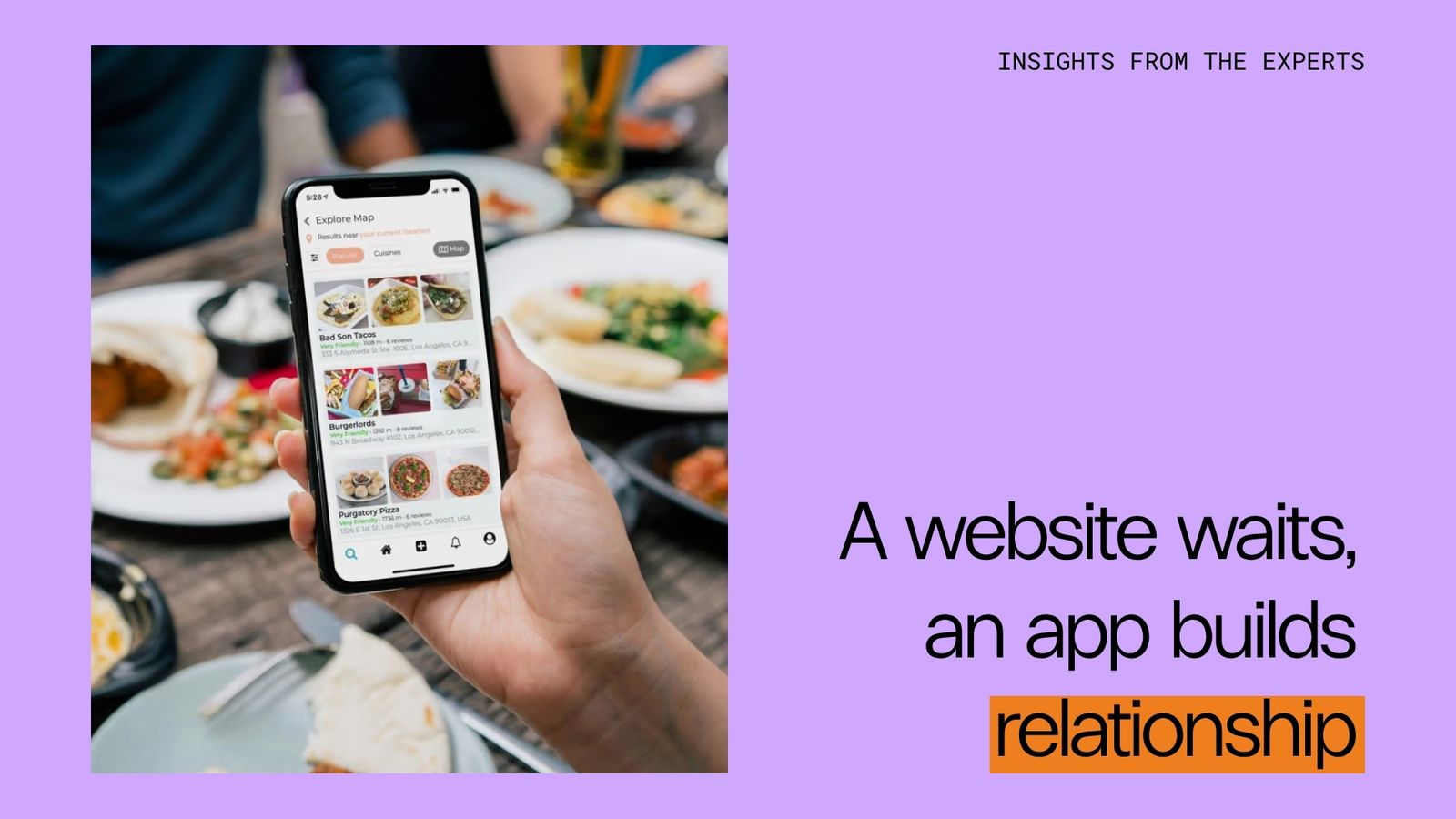
An app works differently. It lives on someone's home screen. It sends push notifications. It knows who the user is, what they've engaged with before, what they're likely to want next. It creates a direct, persistent connection that keeps the relationship active rather than waiting for someone to remember to visit.
Think about your own phone for a moment. The apps on your home screen aren't random, they're what you’ve woven into your daily rhythm. For creators serious about building a loyal community and not just traffic, that's a meaningful distinction.
What a decade of building has taught us
We've built digital products across fitness, food, finance, education, government and enterprise. The pattern has been consistent: when the goal is deep engagement and a direct, ongoing relationship with a broader community, the products that deliver it best are the ones that live in someone's pocket.
Users who access a creator's content through an app engage more frequently, stay longer, and are more likely to pay for premium access. Convenience and personalisation combine to create an experience that keeps people coming back in a way that's harder to sustain through other channels alone.
We've also seen what happens when creators try to maintain deep audience relationships through borrowed platforms, be that social media, third-party subscription tools, or newsletter services. These work, and they have a real role to play, but they share a fundamental limitation - you're operating within someone else's system, subject to their rules, their algorithms, and their commercial interests.
The most resilient creator products we’ve worked on give the business a branded home for its content and a direct member relationship. Creators can understand how people use the product and reach them beyond a social feed.
Our part to play
Everything we’d learned about creator products led us to a question: how could we make the first step into a membership business more accessible?
Building a quality native app requires investment in design, development and ongoing support. Starting with a membership website lets you shape the offer and establish the member experience before deciding whether a native app is the right next step.
That’s the approach behind Launch with Voyage. We help established food and fitness creators shape, design and launch a branded membership website on the Voyage platform, with native apps and ongoing growth support available separately.
When members would benefit from push notifications and a product on their home screen, you can add a native app under your own brand. Choose the next step around how people use your content and what your business needs.
Up next in Part 3: From follower count to recurring revenue, and how a membership business can build value beyond social media.